

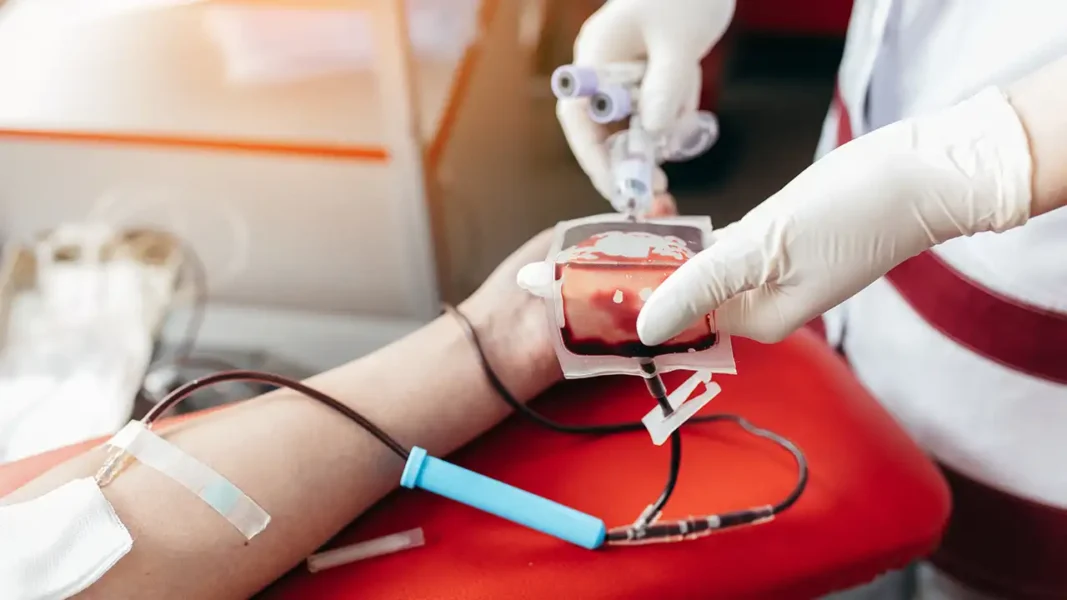
Despite awareness campaigns, many people hesitate to donate blood due to myths and fears. These misconceptions stop thousands of potential donors from saving lives. Let’s break down the myths and highlight the facts.
Common Myths & Facts
Myth 1: Blood donation makes you weak.
Fact: The body replenishes blood volume in 24–48 hours. With rest and fluids, donors feel completely fine.
Myth 2: Only young people can donate.
Fact: Anyone aged 18–65 years can donate, provided they meet health standards.
Myth 3: People with diabetes or hypertension can’t donate.
Fact: Controlled diabetes (without insulin) and controlled blood pressure usually allow donation. Always consult the doctor first.
Myth 4: Blood donation is risky and unsafe.
Fact: It’s a 100% safe process. Needles and equipment are sterile and used only once.
Basic Eligibility for Blood Donation
-
Age: 18–65 years
-
Weight: Minimum 50 kg
-
Hemoglobin: Normal levels (12.5 g/dL or above)
-
Should not have had recent infections, surgery, or tattoos (within 6 months)
Who Should Not Donate?
-
People with chronic infections (HIV, Hepatitis B/C)
-
Pregnant or breastfeeding women
-
Individuals with uncontrolled health conditions
Why Myths Harm Society
-
Reduces the donor pool
-
Creates shortages in hospitals
-
Prevents timely treatment for patients
How Jeevan Rekha Hospital Builds Awareness
-
Organizing blood donation camps
-
Educating schools, colleges, and corporate groups
-
Offering recognition certificates to donors